Discover the long history of collections and services offered for children at Toronto Public Library.
Timeline
-
1884

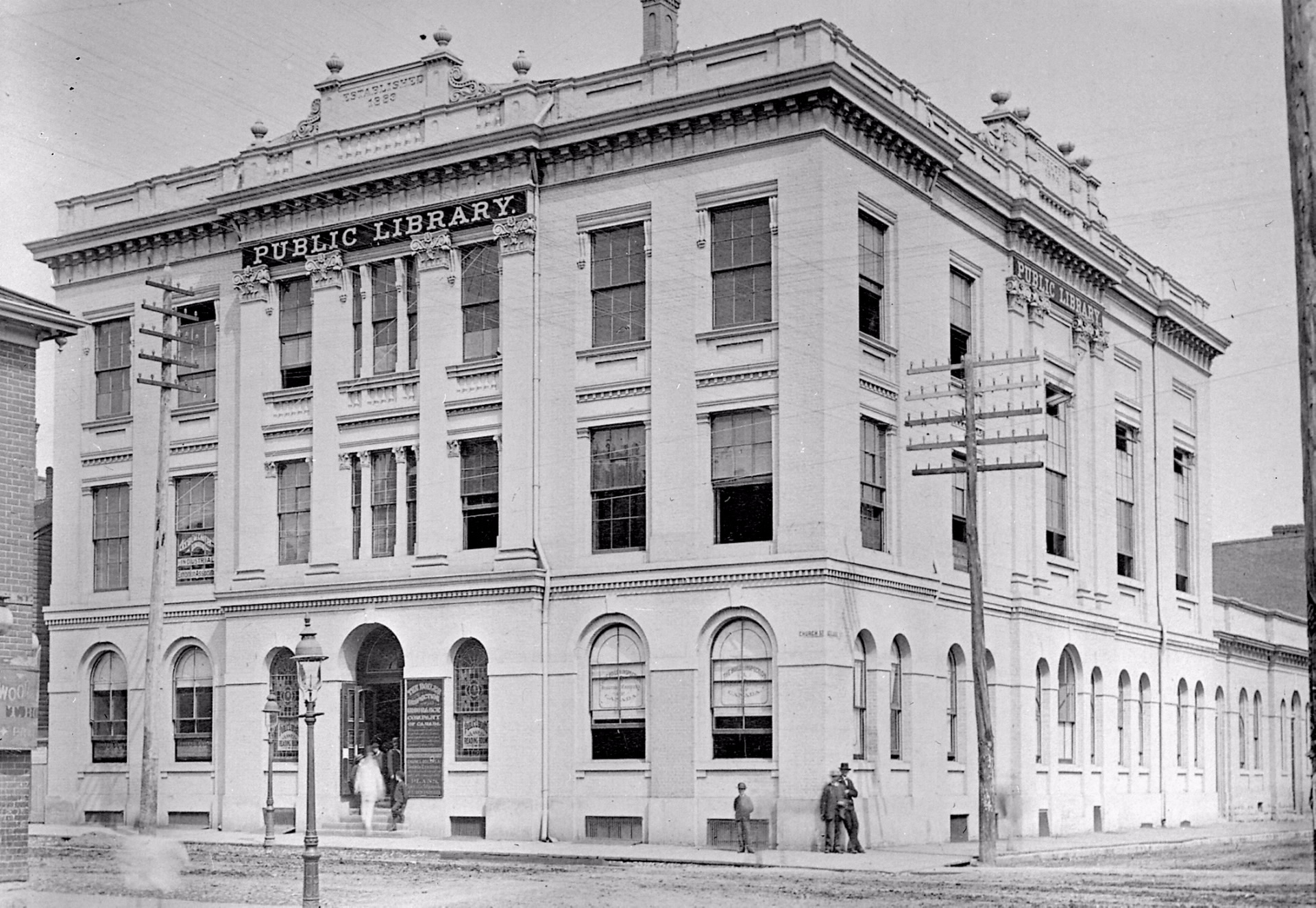
Image: First location of TPL, 1884 Toronto Public Library officially opens in the old Toronto Mechanics' Institute building, Church and Adelaide streets, on March 6 — the city's 50th anniversary. The Library has approximately 1,300 juvenile books, accounting for six percent of the circulating collections at the Central Library and two branches and nine percent of Library's total circulation. However, persons under the age of 14 are not admitted to the Reading Room or the Reference Library.
-
1907

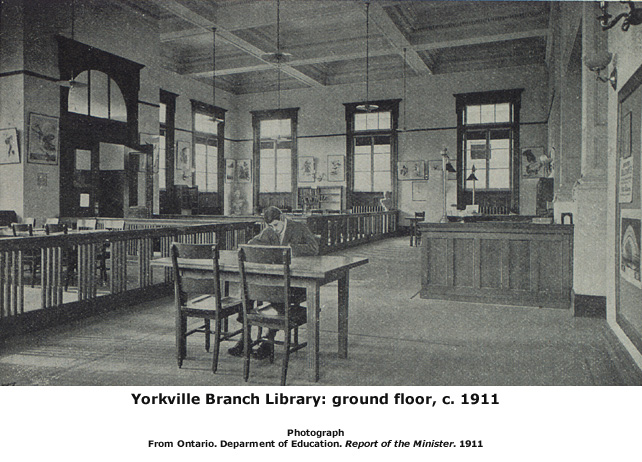
Image: Yorkville Branch, approximately 1911 A "Teachers and Children's Room" is provided in the new Yorkville Branch, Toronto’s first Carnegie library, at 22 Yorkville Avenue. Small children's areas are set up in other branch libraries as they open.
-
1910

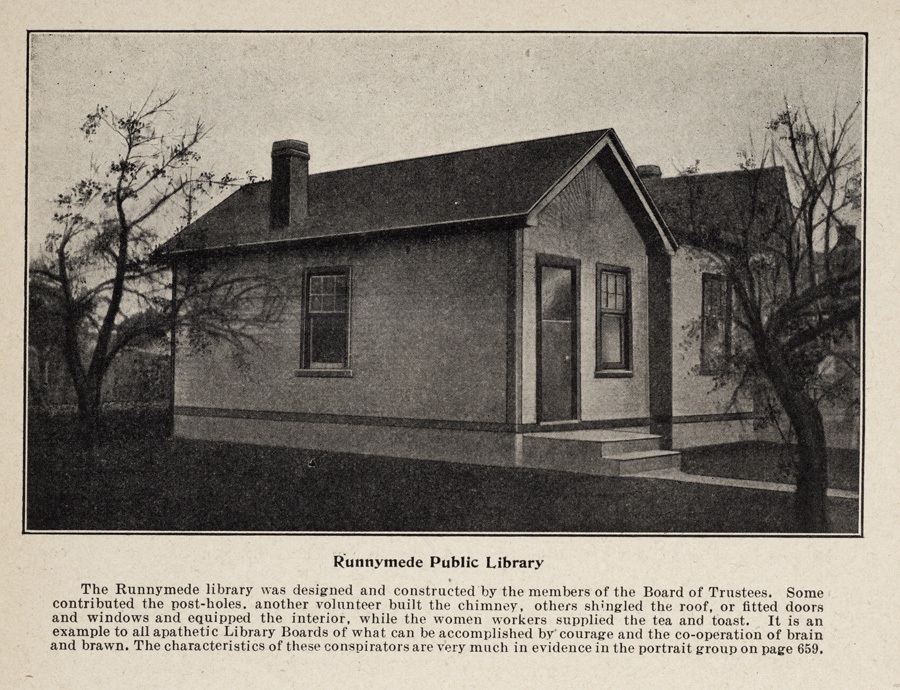
Image: Runnymede Public Library, approximately 1912 Story hours for children are started at the new Runnymede Public Library, Willard Avenue, York Township by one of the library's founders, Henry M. Wodson. A respected journalist, Wodson described the innovative program at the Ontario Library Association in 1913.
-
1912

Image: Lillian H. Smith (1887–1983), approximately 1925 Chief Librarian George Locke recruits Lillian H. Smith, a professionally trained children's librarian then working at the New York Public Library, to head Toronto Public Library's newly established Children's Department.
-
1912

Image: Waiting for the story hour, Central Library, College and St. George streets, approximately 1921 Canadian history story hours are instituted by George H. Locke, who, in 1914, anticipated the program would "develop Canadian nationality by giving a background of Canadian history to thousands of children, who when they grow up will be intelligent and well informed Canadians."
See also:
Toronto Public Library's services for immigrants, 1908-1937 (PDF 2 MB) -
1913

Image: Provincial Library Training School at Dovercourt Branch, 1916 Lillian H. Smith starts weekly staff training sessions "for assistants in charge of Children's Rooms ...for the purpose of outlining the work, planning the programme for story hours and reading clubs, and for gaining a knowledge of the resources of the book collections on given subjects." In 1913, Smith also starts instructing future librarians at the Provincial Library Training School, which becomes part of the University of Toronto in 1928.
-
1913

Image: Dovercourt Branch Children's Room, 1913 Dovercourt (now Bloor/Gladstone) Branch opens on October 23, featuring the first children's room planned by Lillian H. Smith. In 1917, the children's room is moved to larger quarters in the basement, taking over the old lecture room.
-
1918

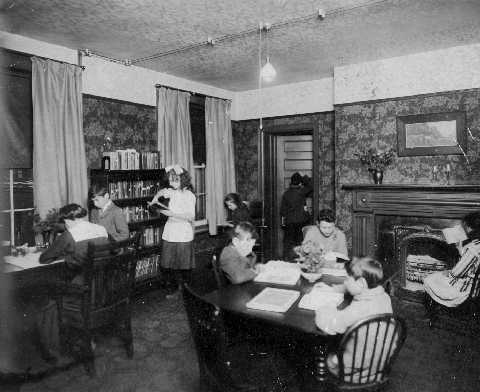
Image: Library at University Settlement House, 1920s To provide extra service for inner city children, Toronto Public Library opens a library in Central Neighbourhood House. Children's libraries soon are started at other settlement houses: St. Christopher House in 1920, University Settlement House in 1921 and Memorial Institute in 1931.
-
1918

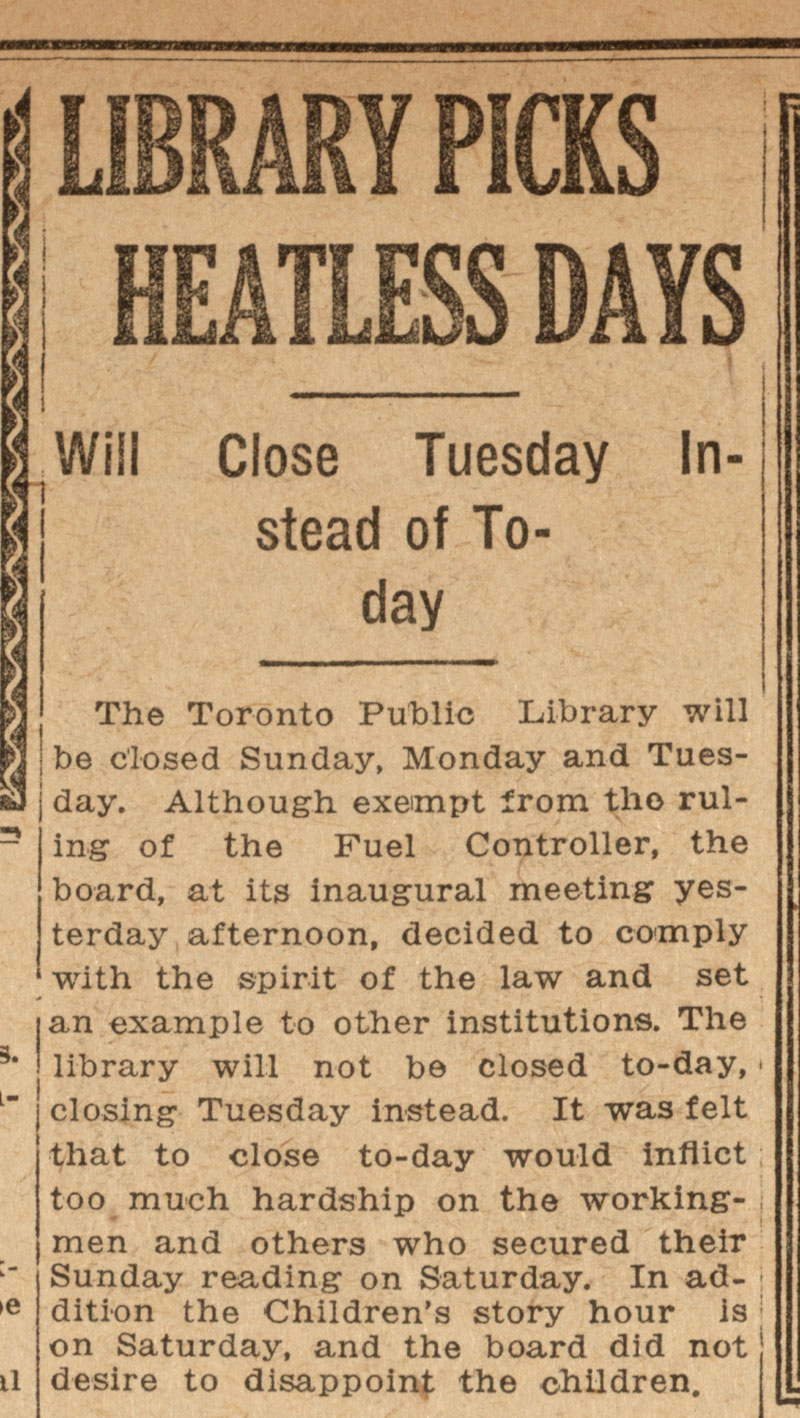
Image: Toronto Globe, February 8, 1918 Children's rooms are closed when Toronto Public Library suspends service on two occasions: first in February 1918 because of a shortage of coal, and second from October 17 to November 7 during an outbreak of the Spanish influenza. Fearing contagion, many parents prohibited their children from borrowing library books.
-
1922

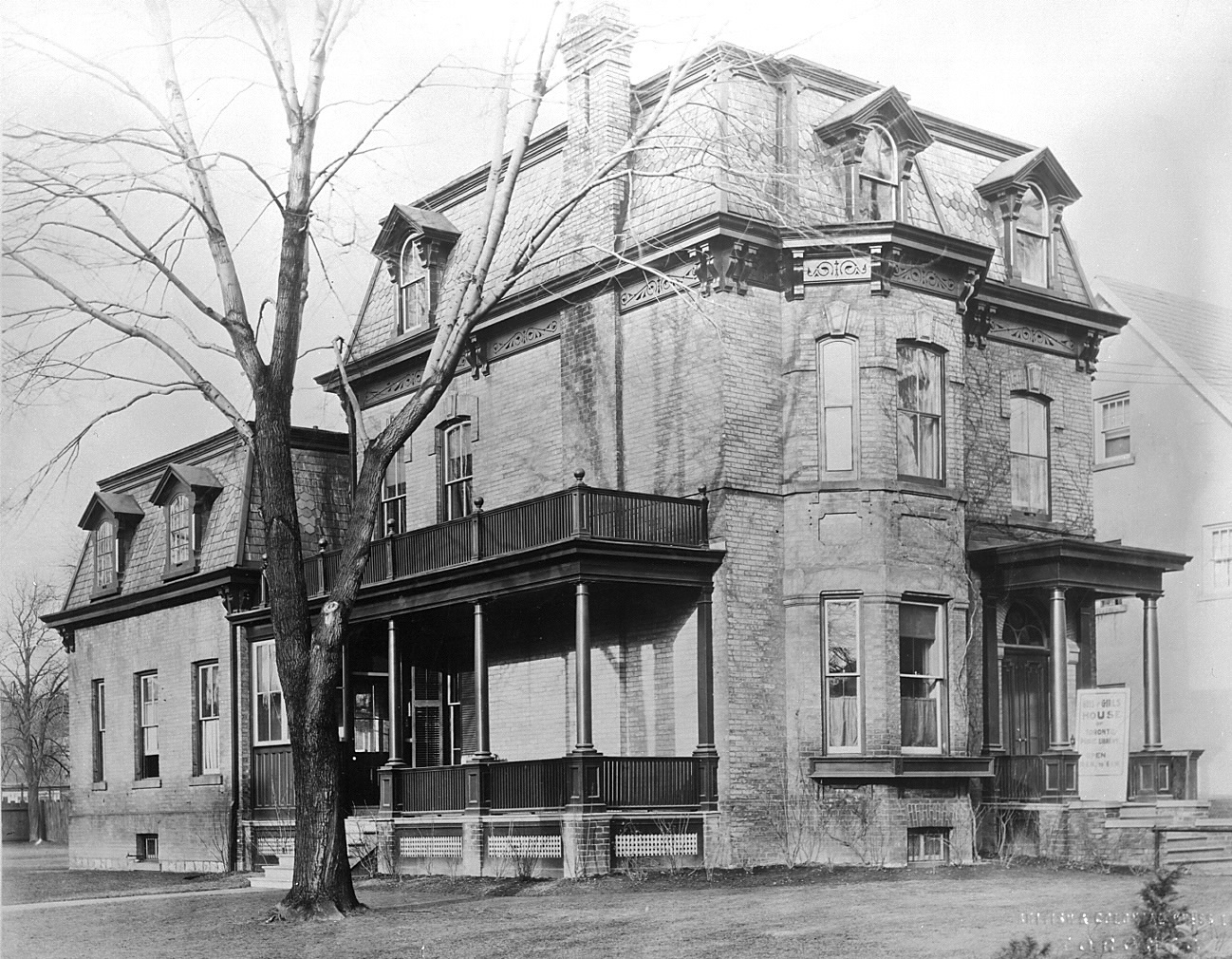
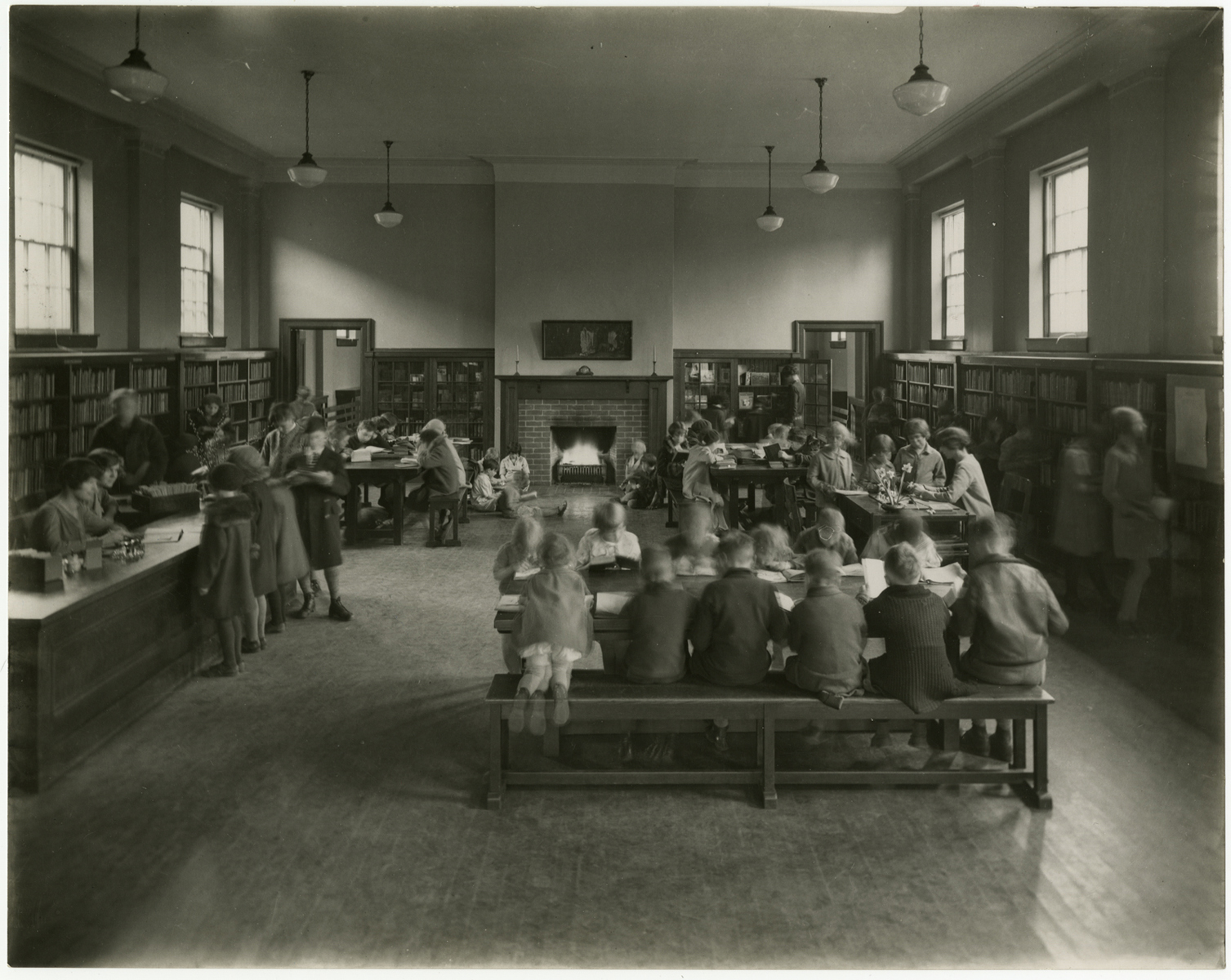
Image: Boys and Girls House, St. George Street, 1922 Toronto Public Library opens a children's library in a renovated Victorian house at 40 St. George Street, just north of the Central Library. Called Boys and Girls House, it is the first separate children's library in the British Commonwealth.
-
1926

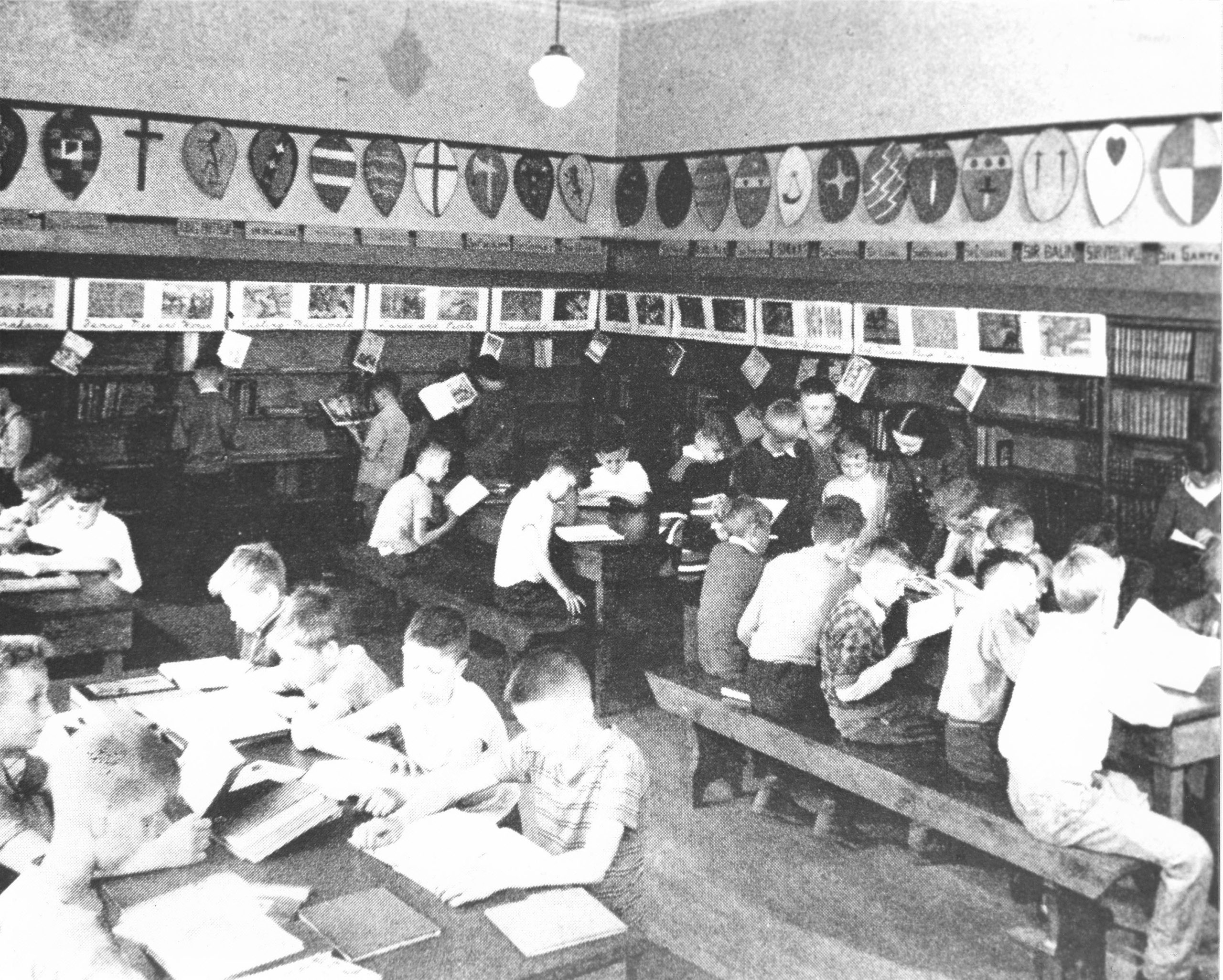
Image: Library at St. Mary School, 1948 The first school library is placed in Queen Victoria School, a "co-operative experiment between the Board of Education and the Toronto Public Library Board," Lillian H. Smith notes that year. By 1952, Toronto Public Library operated libraries in 30 schools. During the 1960s, this service gradually was taken over by local school boards.
-
1927

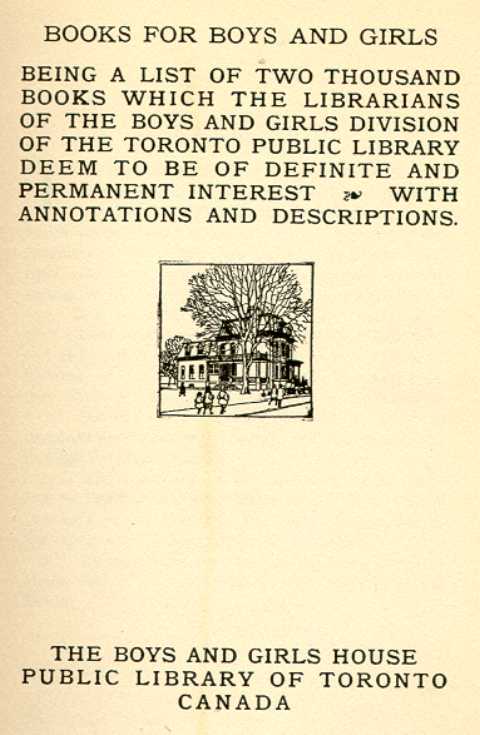
Image: Books for Boys and Girls title page, 1927 The first edition of Books for Boys and Girls is published. Through several editions, it becomes the standard selection guide for librarians, teachers and parents in many English-speaking countries.
-
1928

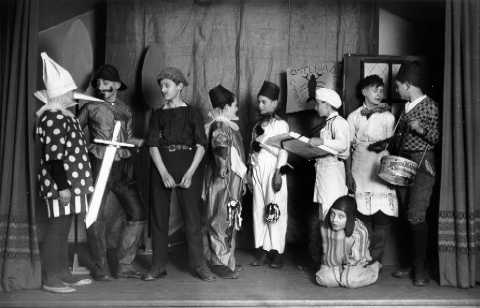
Image: Cast of Pinocchio at Boys and Girls House Little Theatre, 1930s A "little theatre" and story hour room is added to the back of Boys and Girls House. Children perform plays ranging from "The Three Little Kittens" to scenes from Julius Caesar.
-
1928

Image: Boys and Girls Library, Riverdale Branch, approximately 1928 Riverdale Branch expands to include a children's wing. In response to overcrowding, children's rooms in other older branches also are moved to larger quarters, usually taking over existing space in basements. New branches that opened in the 1920s and early 1930s often devoted an entire floor to children.
-
1930

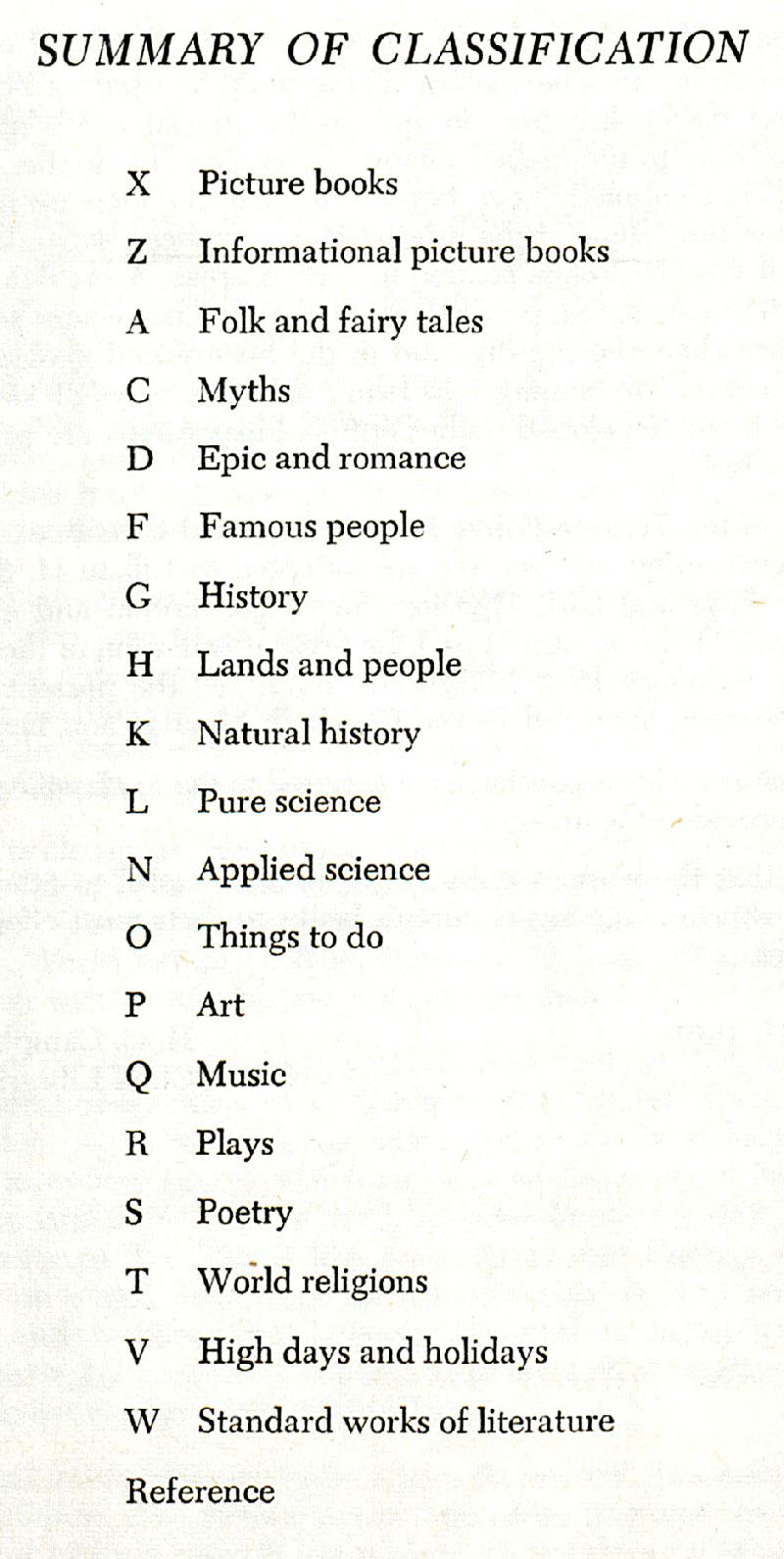
Image: "Summary of Classification," from A Guide to the Children's Book Collection, 1966 The organization of books in Toronto's children's libraries is changed from the Dewey Decimal Classification "to an arrangement which is more intelligible and attractive to boys and girls," Lillian H. Smith notes that year, "and which has grown out of years of observation of their reading interests." The schema was adopted by many library systems in Canada and elsewhere.
-
1930

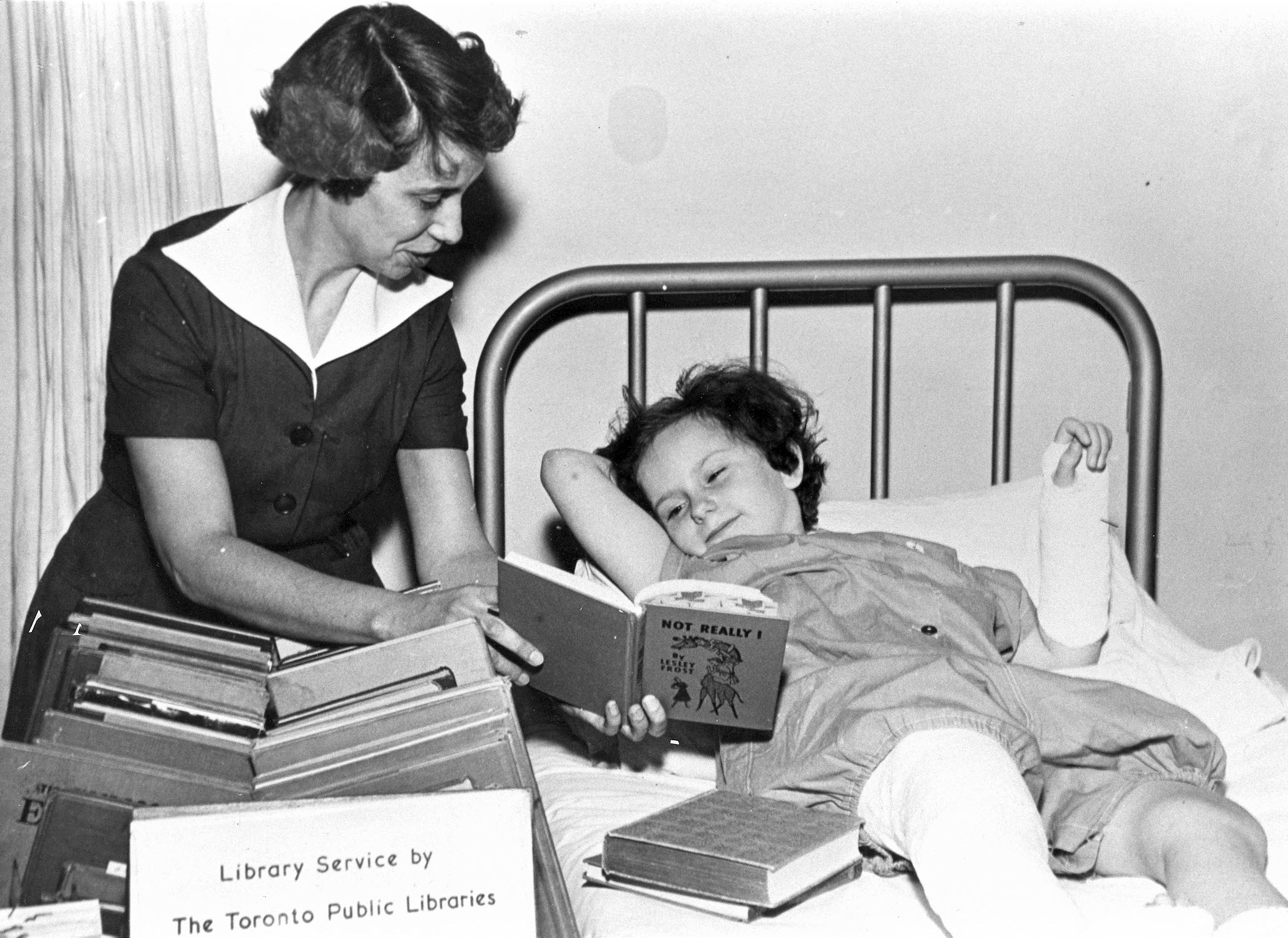
Image: Librarian Marguerite Bagshaw at the Hospital for Sick Children, 1955 Toronto Public Library extends library service to the Thistletown Hospital for Sick Children. In 1943, the Hospital for Sick Children asks Boys and Girls House staff to recommend books for its library, and it takes over its operation in 1951.
-
1932

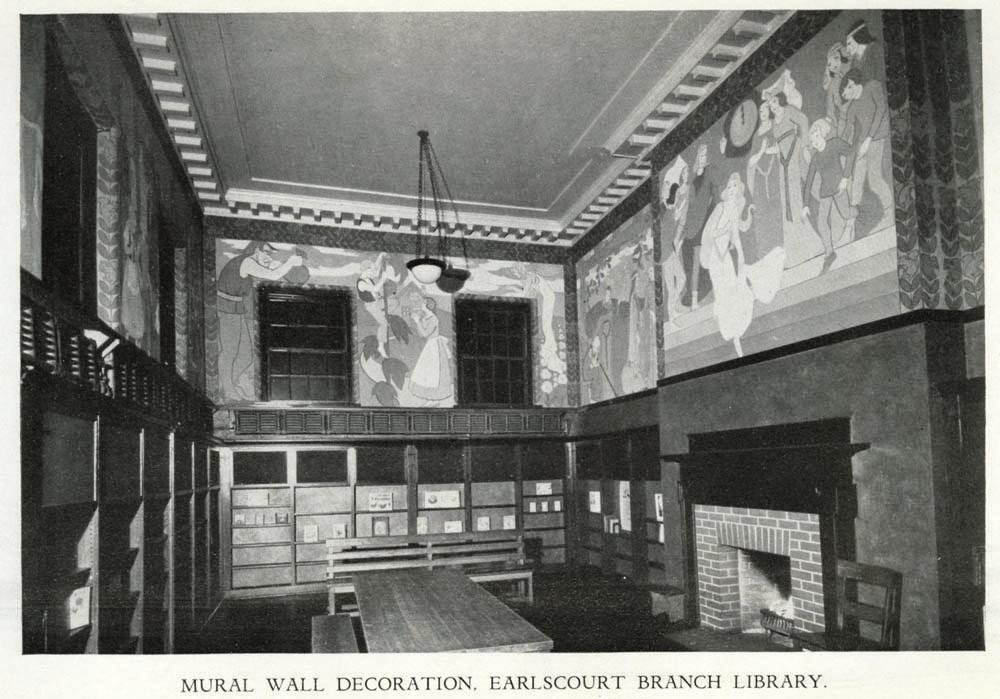
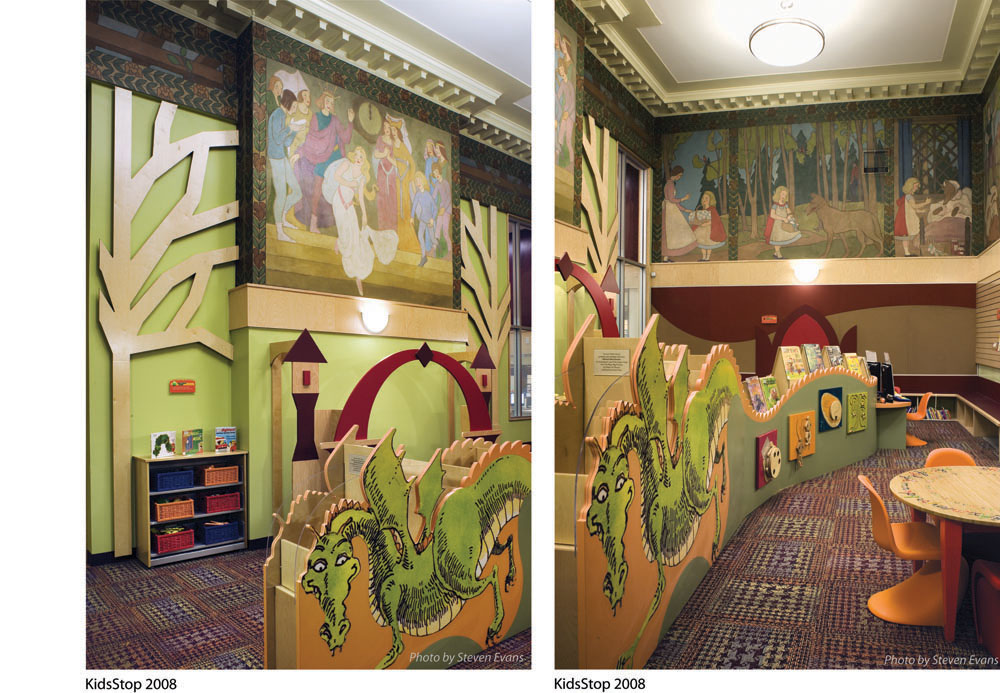
Image: Doris McCarthy murals, 1932 The Children's Room at Earlscourt (now Dufferin/St. Clair) Branch is decorated with murals of fairy tale characters painted by artist Doris McCarthy. The murals were restored during a renovation completed in 2008.
-
1940

Image: British children at Hart House library, 1940 Boys and Girls Division sets up a small library at Hart House, where children evacuated from Britain are billeted during the Second World War. Toronto Public Library also extends honourary memberships to British and European children who came to Canada under private arrangements, and gives children's programs in veterans' halls and refugee centres.
-
1941

Image: New Toronto Public Library showing children's library (right), approximately 1954 Ina M. Keesee Children's Library is opened in the New Toronto Public Library. As well as serving as the secretary-treasurer of Library Board from 1921 until her death in 1956, Mrs. Keesee was the regent of the Lakeshore Chapter, Imperial Order Daughters of the Empire, formed in March 1937 with the primary aim "to assist in the building of a Children's Library." Fundraising produced donations of $6,131.27, including $1,400 from the IODE; the town contributed the balance of $7,500.
-
1942–1943

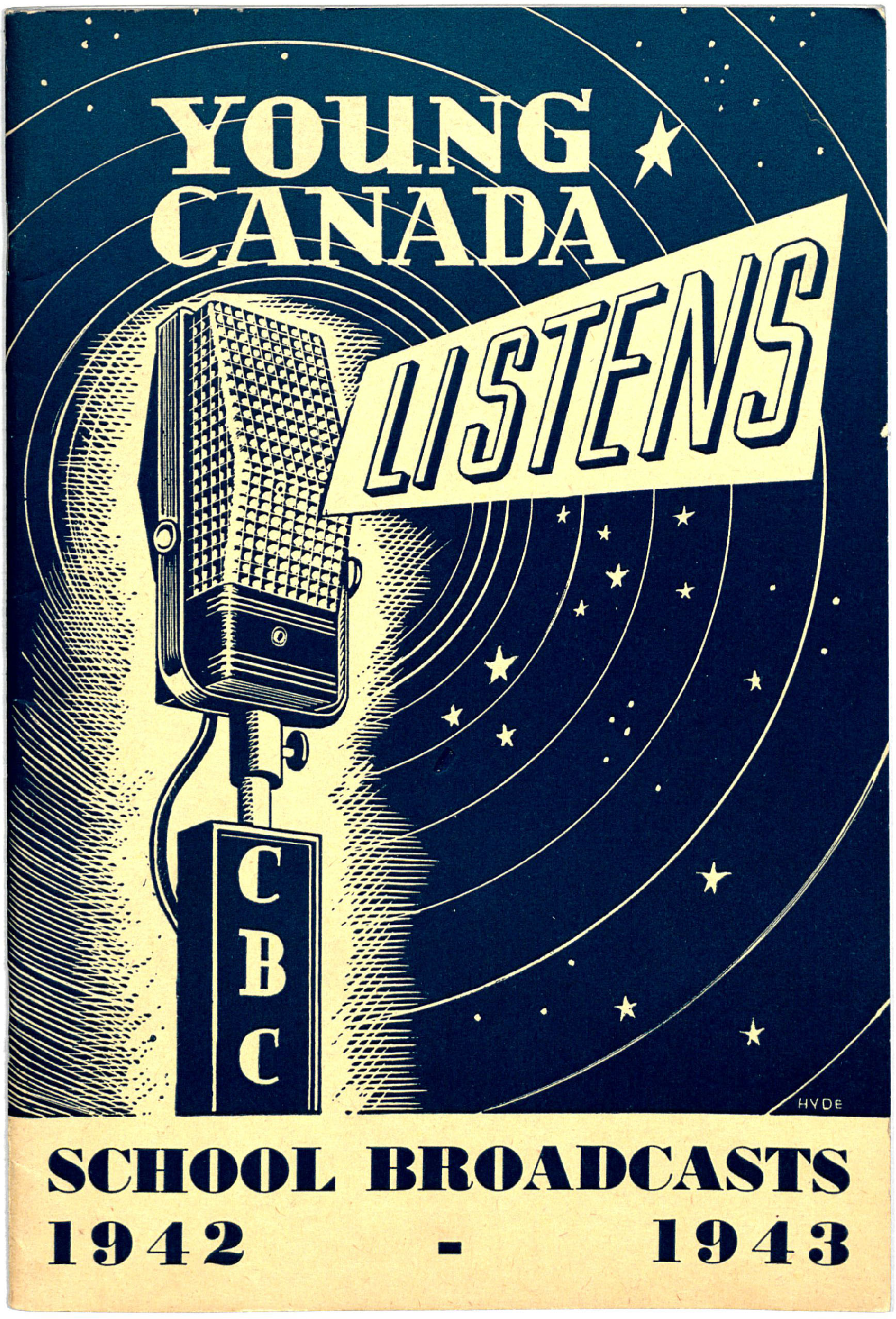
Image: Program of CBC school broadcasts, 1942–1943 Children's librarians participate in CBC radio programs, selecting and telling stories for broadcast over the airwaves. Programs such as "Tales from Far and Near" offered stories chosen by librarians of Boys and Girls House.
-
1944

Image: Charles R. Sanderson, TPL chief librarian, at the opening of East York children's libraries, November 7, 1944 A children's library opens in R. H. McGregor School, the start of public library service in the Township of East York. By 1952, Toronto Public Library administers Boys and Girls Libraries in six schools in East York, as well as at the main library opened in 1950 at the northeast corner of Coxwell and Mortimer avenues.
-
1949

Image: Edgar Osborne and Judith St. John, head of the Osborne Collection, approximately 1950 A collection of books that becomes the Osborne Collection of Early Children's Books is donated to Toronto Public Library by Edgar Osborne. These rare books spanned English children's literature from the 15th century to 1910, gifted in recognition of outstanding children’s services under Lillian H. Smith.
-
1950s and 1960s

Image: Story hour in Etobicoke's new main library on Brentwood Road, 1955 Areas designated for children are standard features in the dozens of new libraries that open in Toronto and its suburbs during this time.
-
1963

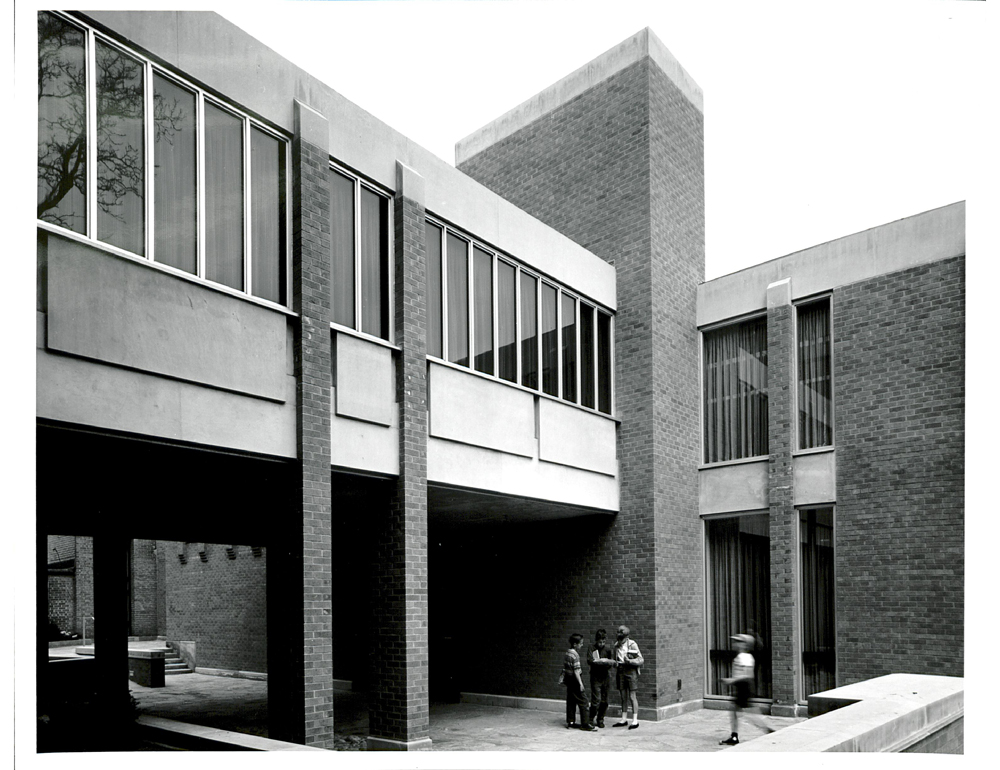
Image: New Boys and Girls House, 40 St. George Street, approximately 1963 The original Boys and Girls House is demolished and replaced with a new building at 40 St. George Street.
-
1969

Image: Listening station at Learning Resources Centre, 1969 A Learning Resource Centre opens adjacent to Forest Hill Branch, providing facilities for children (and adults) to use new formats of recreational and educational materials.
-
1976

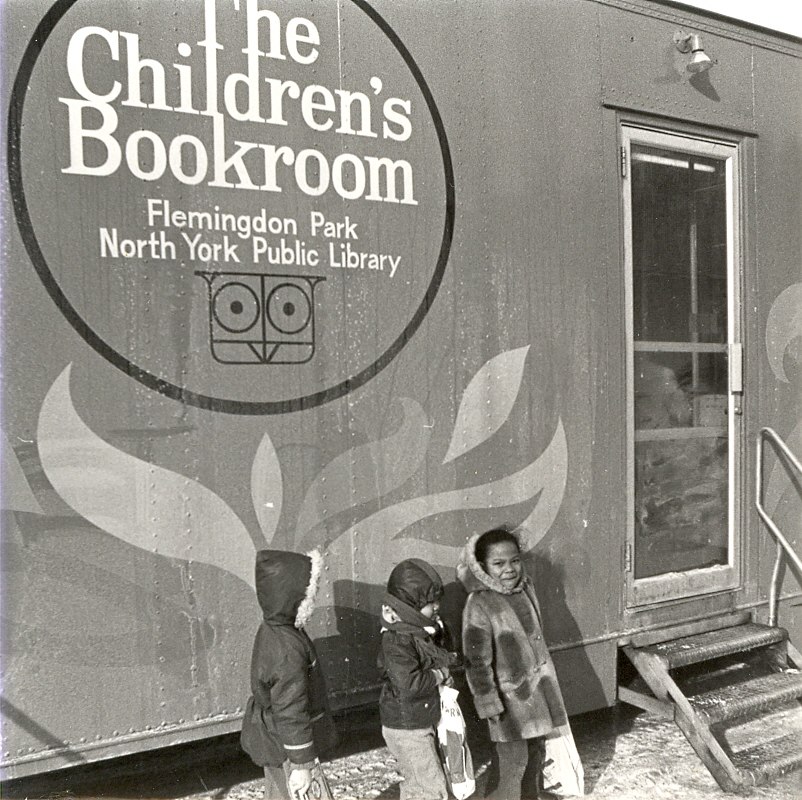
Image: Children's Book Room, 1976 North York Public Library initiates library service to Flemingdon Park using a specially decorated and outfitted bookmobile named "The Children's Book Room."
-
1989

Image: Dial-A-Story, 2010 A Dial-A-Story program is initiated in North York, providing families with over 100 children's stories to listen to by phone in English, French and Italian languages. By 2022, there are over 600 stories in 16 languages and Dial-A-Story receives more than 130,000 calls annually.
-
1995

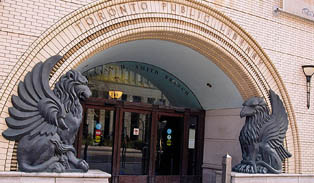
Image: Lillian H. Smith Branch, 1995 Boys and Girls House is closed. Its collections and services are relocated to a new Toronto Public Library branch for all ages, opened at 239 College Street and named in honour of Lillian H. Smith.
See also: Lillian H. Smith Branch History Project
-
1996

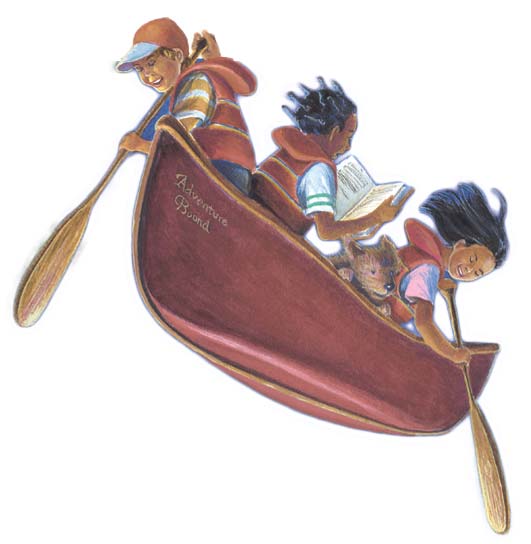
Image: TD Summer Reading Club, 2000. Detail from poster illustration by Heather Collins Toronto Dominion Bank enhances Toronto's summer reading program with its sponsorship. The program is extended across the amalgamated Toronto Public Library in 1999 and to other Ontario centres in 2000. In partnership with Library and Archives Canada, TD Summer Reading Club reaches eight provinces and territories in 2004.
-
1998

Image: "Dewey," mascot of the KidsSpace website KidsSpace, an interactive website for children, is launched, bringing children's library service over the Internet. It is one of the first projects of the new Toronto Public Library, formed that year by the amalgamation of seven former municipalities.
-
2008

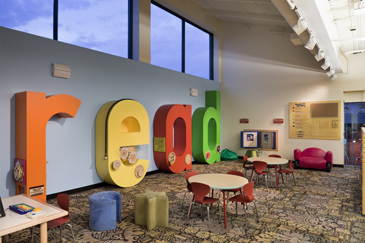
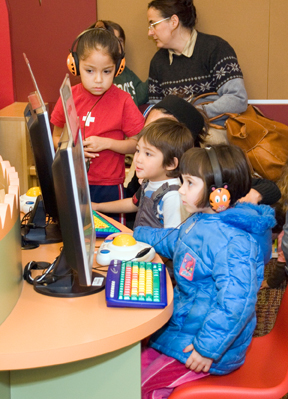
Image: KidsStop Early Learning Centre at Thorncliffe Branch, 2010 The first KidsStop opens at S. Walter Stewart Branch. These interactive early literacy centres are included in subsequent renovations at several branch libraries.
-
2012

Image: KidsStop Early Literacy Centre at Dufferin/St. Clair Branch, 2008 Toronto Public Library's digital services and collections of ebooks, digital audiobooks and online videos for kids continue to expand and increase in usage as new technology that supports children's literacy grow in popularity.
-
2016
Image: Graphic from the Ready for Ready website Ready for Reading, a website for parents and caregivers of children five years and under, is launched. The site provides a trove of early literacy tips and activities, along with an easy browsing experience to find books and programs.
-
2016

Image: Discovery Zone, Fairview Branch Discovery Zones, specialized spaces for children in middle childhood, launch in response to the 2014 Middle Childhood Framework. Fairview branch receives the first Discovery Zone.
-
2017

Image: Playing with Snap Circuits at Albion Branch Play & Learn STEM Kits roll out in 18 branches for use in children's programming. The kits include Sphero robotic balls, Dash + Dot robots, iPads and Snap Circuit sets. By 2023, kits will be available in 97 branches across the city cementing TPL's commitment to increase digital literacy for children and families through access to technology.
-
2019

Image: Homepage of TPL Kids, 2019 The children's website TPL Kids replaces KidsSpace. Designed with accessibility and the library's new branding in mind, it provides a fun and welcoming online space for middle childhood. Interactive elements such as jokes, riddles and a Wonder Wall encourage the joy of reading and self-directed learning.
-
2020
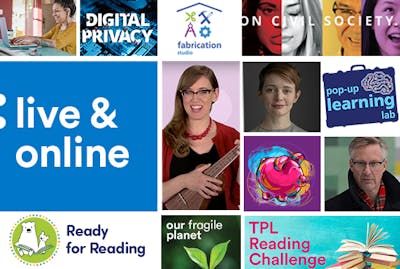
Image: Graphic used to promote online programs at TPL during the pandemic In response to the COVID-19 pandemic, online children’s programs launch on TPL’s YouTube channel and TPL Kids Crowdcast channel to keep kids engaged during the suspension of in-person programs. Children birth to 12 years and their families can explore a variety of fun live and pre-recorded virtual programs, including story times, STEM activities, author visits, French language programs and more.
-
2021

Image: One of the images used to announce the new fines-free policy The Library eliminates late fines for children to remove barriers as late fines have a disproportionate impact on racialized and low-income communities in Toronto. Overdue fines are meant to encourage customers to return materials on time, but have been found to be ineffective in encouraging the return of library materials.
-
2022

Image: Thumbnail image for YouTube version of the social story My Visit to Toronto Public Library: A Social Story for Everyone is published online in multiple accessible formats. A social story is a learning tool that describes a new experience or a specific situation. The story helps children with disabilities become more familiar with the library ahead of their visit.